

What once started as a sci-fi dream is now becoming more real every single day — autonomous taxis. Although the most well-known names in this industry are Waymo and Tesla, the go-to brand in the ride-share market, Uber, is still in the race. In June 2026, Uber announced that it will be launching a Robotaxi service starting in Munich, Germany.
For Uber, this dream was over a decade in the making with many hurdles along the way. The company officially started the project in 2015, hiring researchers from Carnegie Mellon University, and later started officially testing on Pittsburgh streets in 2016. They first tested on a Ford Fusion and partnered with Volvo for their XC90 model. Also in 2016, they bought a tech startup named Otto, working to develop an autonomous semi truck. Initially, Uber seemed to be progressing quickly on the technology, but things changed for them in 2017. That year, Waymo filed a trade-secrets lawsuit. The suit claimed that Uber’s autonomous vehicle program was using data from Waymo for its hardware and software given by a former Waymo employee, Anthony Levandowski.
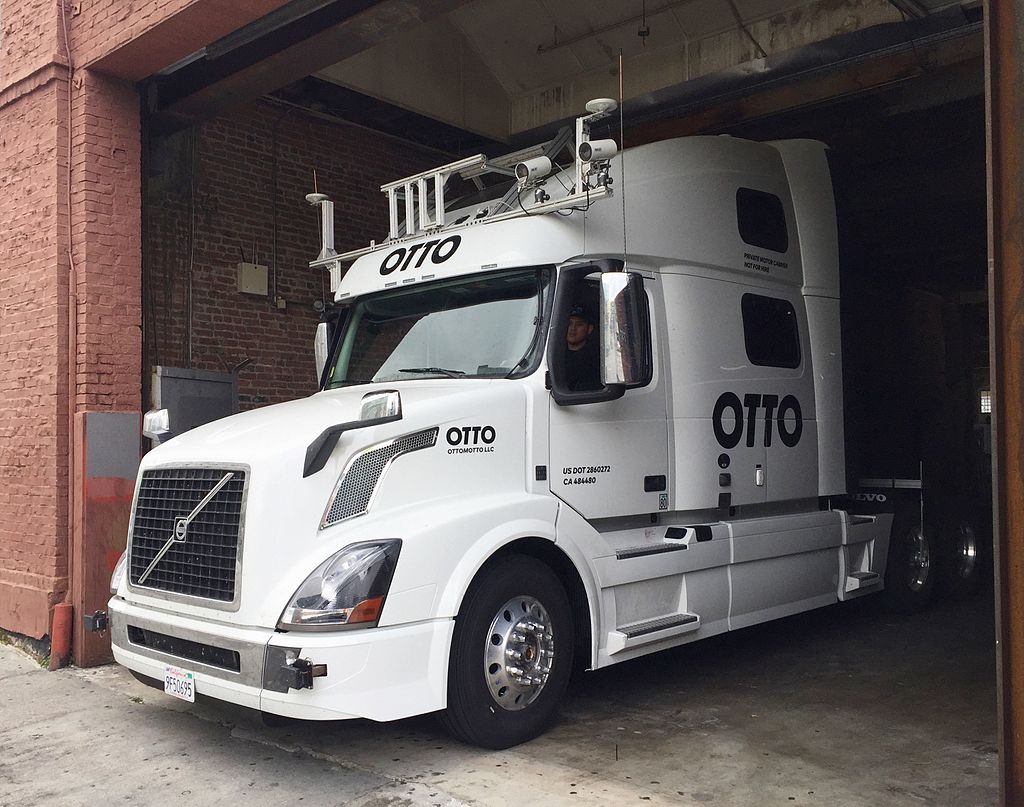
Levandowski had abruptly left his job at Waymo in January 2016 to found the startup Uber bought out: Otto. The suit’s argument was that Levandowski had stolen nearly 14,000 files related to Waymo’s LiDAR technology (the trade secrets in question) before he quit and that Levandowski had conspired with Uber to make a fake company for Uber to buy out. LiDAR is the technology behind how the car detects objects and obstacles throughout its journey, making that data lawsuit-worthy. After 4 days of trials, both tech giants settled the case outside of court in February 2018. While Uber continued to claim they had never used any of Waymo’s data, they still gave Waymo 0.34% of Uber’s equity in reparations, which was worth around $244 million.
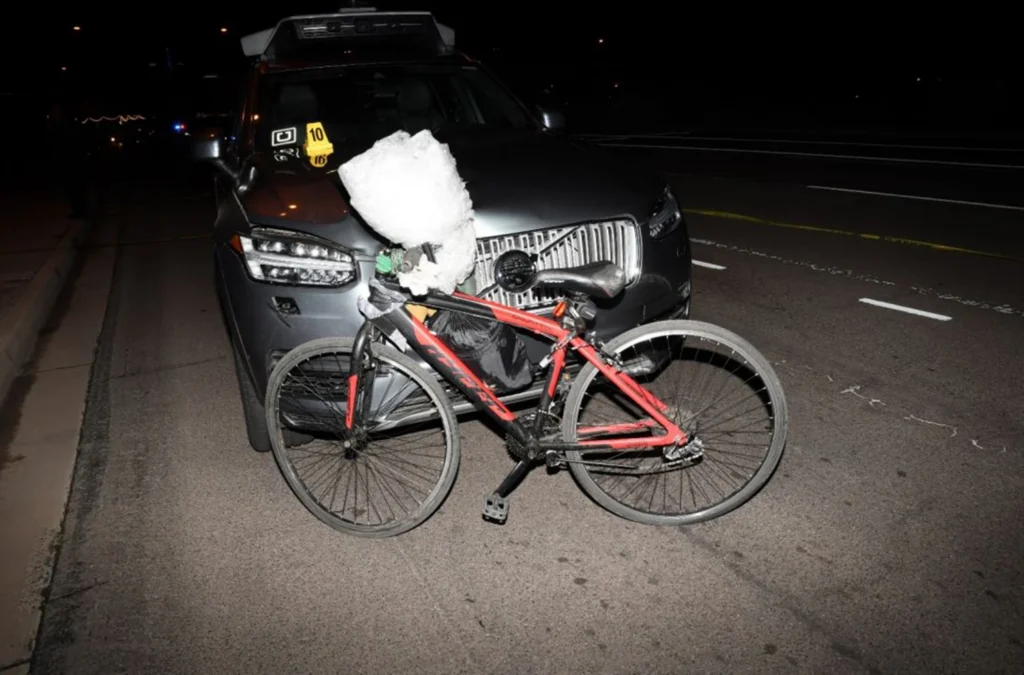
Not too long after this, Uber faced even more scrutiny. On March 18th 2018, a self-driving Uber struck and killed 49-year-old Elaine Herzberg in Tempe, AZ. Herzberg had been walking her bicycle outside the crosswalk line at night when she was struck. The backup human driver, Rafaela Vasquez, behind the wheel had been distracted at the time. Though she was originally charged with negligent homicide, she later pleaded guilty to endangerment in 2023, sentencing herself to a 3-year supervised probation. Uber, on the other hand, was not prosecuted by the Arizona court, but the company had still settled with the family out of court for an amount not disclosed. Despite all these challenges, Uber and Volvo together unveiled the autonomous XC90 in June 2019 with its Volvo car base and autonomous hardware powered by Uber.
However, soon after, Uber ended up selling their entire Advanced Technology Group, including their autonomous technology, to a tech startup looking to design self-driving cars, Aurora, and to this day, Uber is still a major stakeholder in Aurora. Years later, in 2023, Uber partnered with Waymo to allow Uber customers to book a Waymo within the Uber app, but still didn’t pursue making an autonomous vehicle of their own. All of this brings us to June 2026, when Uber announced that they’re partnering with AI-based automotive intelligence company Autobrains to restart Uber’s robotaxi dream.
This program will use Autobrains’ Agentic AI model, which they’ve been perfecting since their founding in 2019. The model will be designed on NVIDIA’s DRIVE Hyperion platform, which is meant for designing level 4 autonomous vehicles (level 4 being the point when a self-driving car doesn’t need a driver). Uber may just be an investor and platform-provider for this project, but the fact that they are still in the race is all that matters. Zoox, Amazon’s autonomous vehicle division and Uber’s competitor, has recently launched services for its steering wheel-less Robotaxi in Las Vegas, so the question is how fast can Uber play catch-up?