

President Donald Trump recently opened three marine protected reserves for fishing, claiming that it would allow American fishermen to better compete in the global seafood industry, but conservationists are concerned about the effects of interfering in the delicate ecosystems.
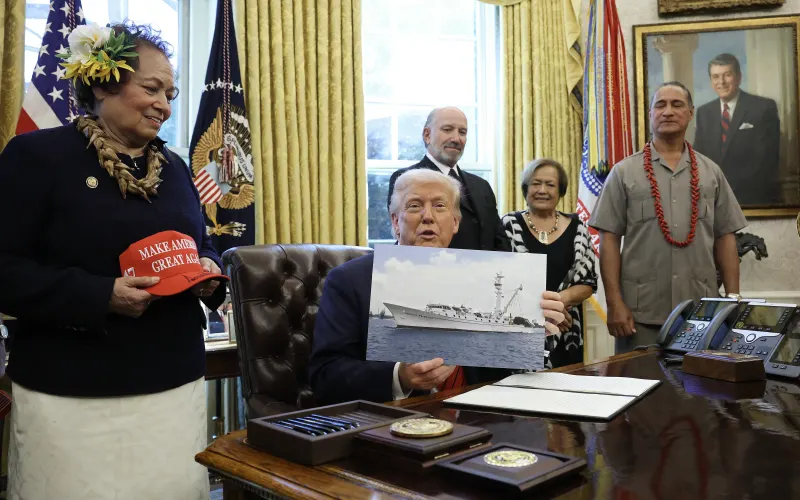
The Papahānaumokuākea Marine National Monument, the Mariana Trench Marine National Monument, and the Rose Atoll Marine National Monument were the three protected reserves opened for fishing. Previous US Presidents used the Antiquities Act of 1906 to create national monuments and protect public lands like the Grand Canyon and the Statue of Liberty. It has been broadly used more than a hundred times by presidents from both parties; however, Trump is the first president to use the Act to remove protections from certain areas. Many who disagree with the use of the Act, like Earthjustice lawyer David Henkin, are saying that it “does not authorize Presidents to strip protections from monuments. This specific legal issue has not yet been resolved by the courts.”
The three marine reserves targeted by the Antiquities Act are renowned for their biodiversity. The Papahānaumokuākea Marine National Monument is also an important religious site for native Hawaiians, who believe that that is where all life originated and where spirits go after death. Moreover, at least 31 endangered species, some endemic (found nowhere else on Earth), rely on the islands to survive. The Mariana Trench Marine National Monument has a minimum of a dozen federally protected species, though 80% of the trench is unexplored. Furthermore, scientists studying the trench are directly impacted by the uncontrollable variables of human interference in a previously pristine research environment. Finally, the Rose Atoll Marine National Monument serves as a breeding and nesting ground for multiple endangered animals like the humpback whale and green sea turtles. Commercial fishing in these areas can significantly threaten existing food chains, and bycatches (non-target species captured/killed by commercial fishing) pose a substantial threat.
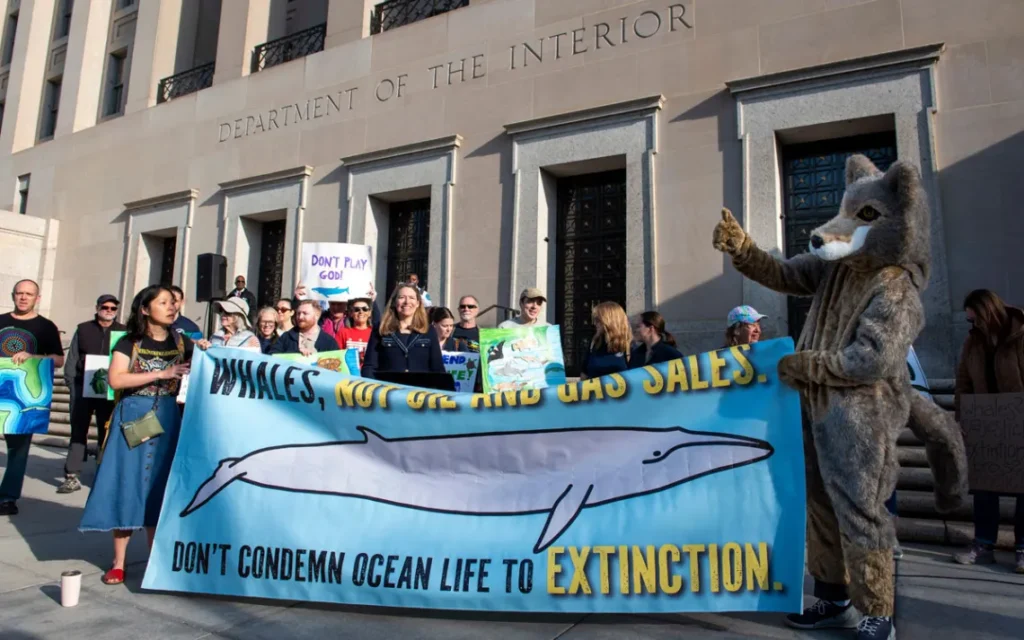
Conservation groups are suing the government to protect the islands, arguing that presidents do not have the power to remove protections under the Antiquities Act. Furthermore, by precedent, the proclamation should be unlawful as, when the Pacific Islands Heritage Marine National Monument was opened for commercial fishing in 2025, a federal court declared it unlawful and struck it down. Federal agencies have to write and review fishing quotas specific to this proclamation before fishing can start. Groups like Friends of Midway Atoll seek to buy the courts enough time to strike it down by flooding those agencies with opposing research, forcing them to carefully look through each claim.
President Trump’s proclamation can have unintended effects on ecosystems worldwide if carried through as the delicate balance of those monuments are threatened by unsustainable commercial practices.