

The Fourth of July, a widely celebrated holiday in the United States, served as the unfortunate beginning of the floods that affected counties like Kerr County in central Texas. Currently, there have been many reported deaths and a number of people still remain missing, even though the total count has reduced drastically. Destruction of personal and public property is prevalent. Areas and sites like Camp Mystic were hit particularly hard due to its location near the Guadalupe River area.
Despite the fact that floods do occur, a flood on such a scale was devastating and had people questioning what could have caused the flood at such an intensity. Many factors led to the flood being so severe, particularly from 4th – 7th July. There was an overwhelmingly large volume of rain in a short period and meteorological factors like the remnants of Tropical Storm Barry, which hit some parts of Northern Mexico on June 29, played a key role in bringing significant moisture. Climate change also plays a key role in the frequency and intensity of natural disasters like floods. The intensity of natural disasters has increased over the years, leading to more adverse effects and casualties.
Natural disasters of such an intensity always cause heartbreaking casualties, even if people do their best to stay safe. The death toll is currently over 135, with many more also left severely injured. Displacement also abounds as many people’s homes and livelihoods were swept up by the strong water currents. In the case of the 800 girls staying at Camp Mystic for the summer, some of the girls, whose cabins were on lower ground, got caught up in the disaster. Additionally, many parts of the camp were destroyed and even the owner of the camp, Richard Eastland, passed away trying to save campers from the floods.
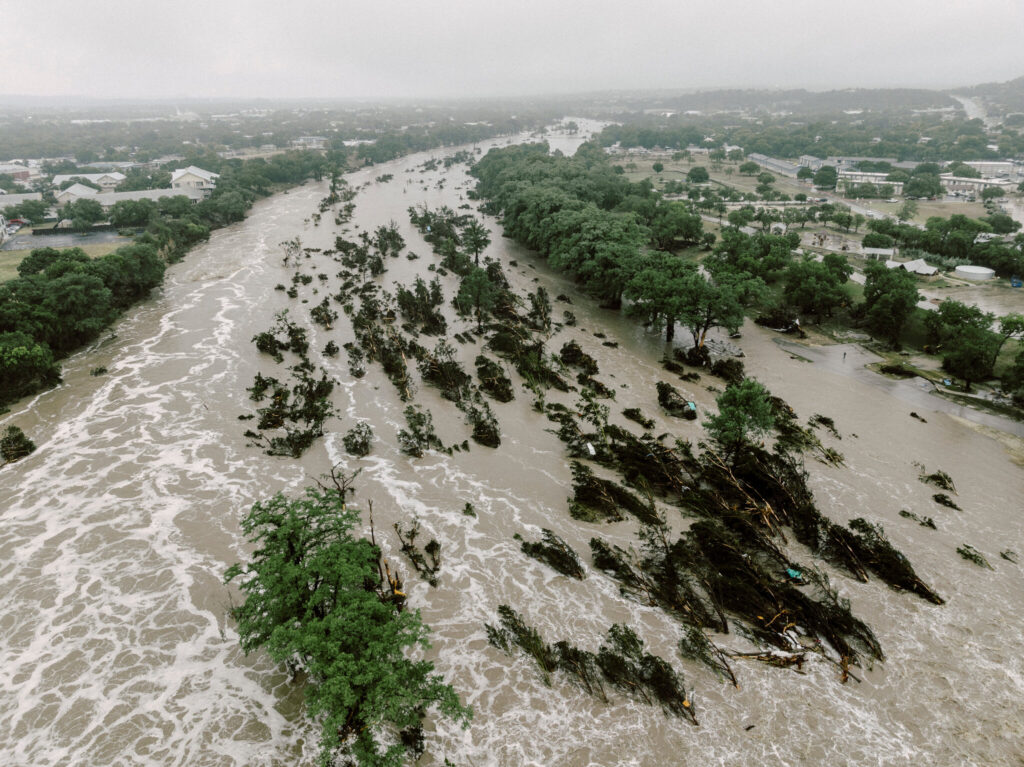
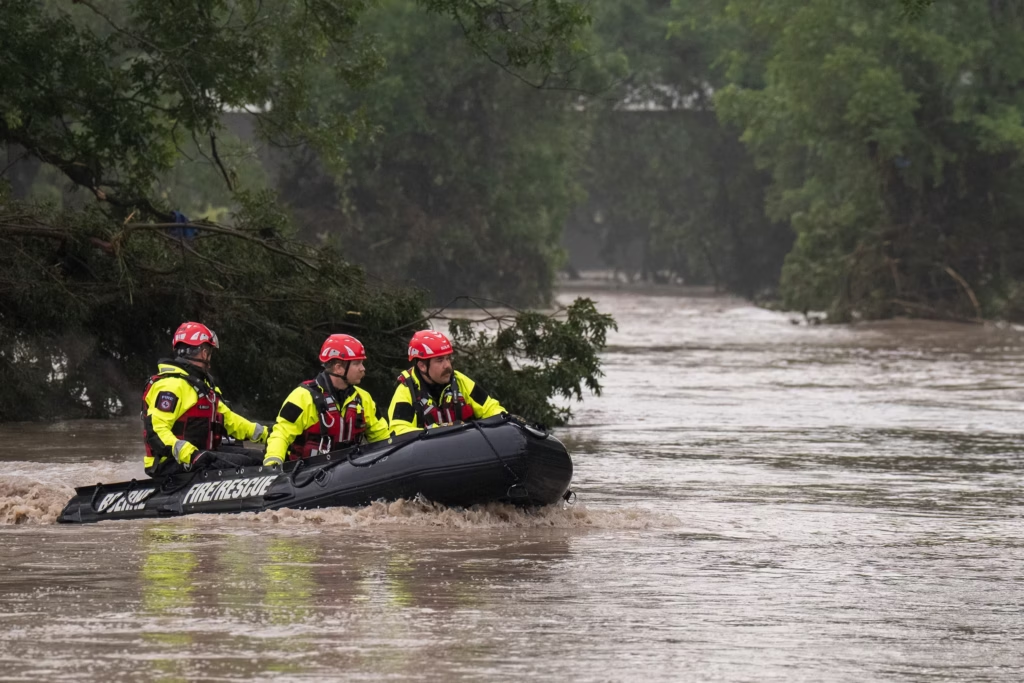
Search and rescue efforts were statewide, trying to find all the missing persons. Responders, however, faced many challenges due to continued downpour and some areas remained largely inaccessible due to the floodwaters. Even over three weeks since the event, some people remain missing and are still being searched for, leaving some families to have to face the sickening idea that their loved ones may have passed away in the tragedy. Additionally, some people described flood warning systems as needing room for improvement, particularly along the Guadalupe River, as the flood warning came a little too late for some, leaving them ill-prepared for the tragedy that struck.
Floods of such severity tend to have many adverse effects and long-term challenges as well. There are increased health risks since contaminated floodwaters make their way into drinking water supplies and sewage, contaminating healthy water sources. Mold can also end up growing in homes, particularly those in the line of movement of the flood, leading to questions about the structural integrity of buildings and homes.
The tragic floods that plagued Texas show the need for community efforts in the face of adversity and the importance of quicker warnings for natural disasters. It is important to streamline more robust and proactive measures to predict when natural disasters will occur so that people can be better prepared for what is coming. There is an ongoing need for better preparation and response to such events from the authorities.