
The public release of court documents connected to financier Jeffrey Epstein has renewed scrutiny of the powerful figures who once moved within his social circle. As records from lawsuits and investigations continue to be unsealed, public attention has zeroed in on the appearance of well-known names—including British socialite Andrew Mountbatten Windsor (formerly known as Prince Andrew, Duke of York) and billionaire Elon Musk—in connection with Epstein.
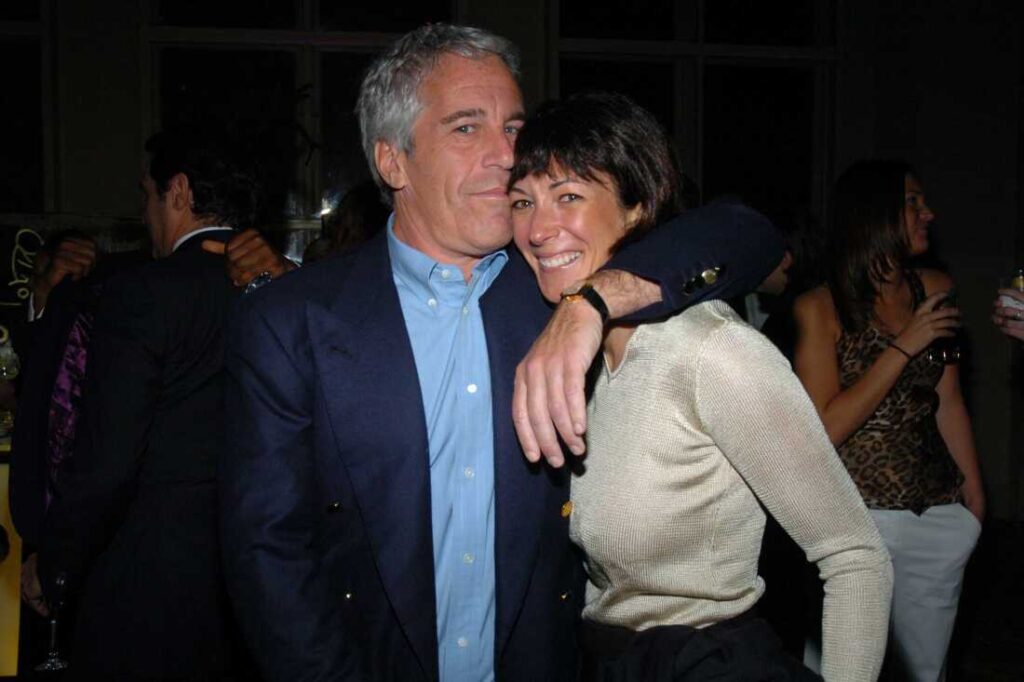
It is important to note that legal experts and news organizations emphasize that being mentioned in these documents does not, by itself, indicate criminal wrongdoing.
Jeffrey Edward Epstein was arrested in July 2019 on federal sex trafficking charges involving underage girls. He died in custody the following month; the New York City medical examiner ruled his death a suicide. His associate, Ghislaine Maxwell, was later convicted in 2021 of trafficking-related offenses and sentenced to 20 years in prison.
The recurring theme across the files is access. The documents illustrate how Epstein, despite a 2008 plea deal in Florida that required him to register as a sex offender, continued to circulate among high-profile academics, philanthropists, business executives, and public officials. Meetings were scheduled, emails exchanged, and invitations extended.
Epstein’s plea agreement allowed him to avoid federal prosecution at the time and to serve only limited jail time. Critics have long argued that the deal reflected preferential treatment. The renewed scrutiny of his post-conviction relationship has intensified debate about whether elite networks provided reputational cover that insulated him from deeper consequences for years.
In late 2025 and early 2026, however, the U.S. Department of Justice (DOJ) released millions of pages of investigative materials under the Epstein Files Transparency Act, a federal law intended to make public records related to the Epstein and Maxwell cases. The unsealed records reveal the extent to which Epstein moved within elite circles long after his 2008 Florida conviction. Flight logs, calendar entries, and emails show continued contact with political leaders, academics, financiers, and cultural figures.
One of the most high-profile individuals connected to Epstein through public reporting is Andrew M. Windsor. Court documents previously unsealed in 2024 included references to his interactions with Epstein and accuser Virginia Giuffre, though Windsor has denied such allegations. In 2022, he reached a financial settlement with the late Giuffre, who died by suicide in April 2025. Giuffre was one of the most vocal victims of Epstein, providing some of the most detailed accounts to authorities and the media.
Elon Musk has also been discussed in media reporting about the files, with outlets noting that correspondence appears in emails but that there is no credible evidence linking him to Epstein’s crimes.
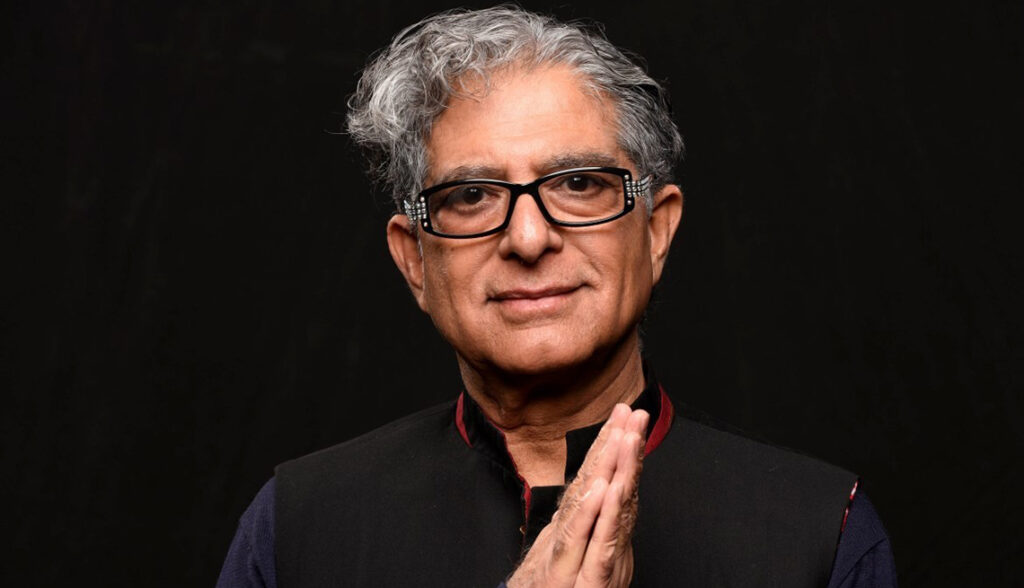
In addition to these figures, internationally known figures from outside the U.S. have appeared in coverage of the expanded document releases. Deepak Chopra, an Indian-American author and wellness figure, has said that his name appeared in decades-old email exchanges with Epstein in the released files, and he has publicly denied any involvement in illegal or exploitative conduct, also condemning abuse.
Mira Nair, an acclaimed Indian-American filmmaker known for films such as Mississippi Masala and The Namesake, is reported to have been named in a 2009 email. Her son, Zohran Mamdani, is the current Mayor of New York City.
Prominent political figures named in the files include President Donald Trump, who appears extensively. Reporting indicates that Trump socialized with Epstein in the 1990s and early 2000s, but there are no federal charges related to Epstein’s crimes against Trump.
The worldwide network has been inundated as unredacted files are reviewed by people from diverse professional fields and across both sides of the political spectrum. Though public information and transparency are essential in cases as brutal and heartbreaking as these files, they also raise serious concerns about misinformation.
On platforms such as TikTok, users continue to fuel conspiracies about Epstein and his “elite circle” being savage cannibals, consuming and sacrificing young children to demonic entities such as Baal, an ancient Canaanite deity worshiped in numerous Middle Eastern cultures. Essentially, those involved in Epstein’s ring are painted as satanic ritualists, controlling each and every aspect of the world while feeding on innocent souls to maintain power.
The reality of the files and the conspiracies surrounding them prompts broader questions about accountability, due diligence, and the functioning of elite social and professional networks.
At the same time, the public conversation surrounding the files highlights the importance of careful interpretation. Transparency is essential, particularly in cases involving serious abuse. But separating verified facts from speculation is equally important. As additional records continue to be reviewed, the focus remains not only on individual associations but on what the case reveals about institutional judgment, oversight, and the responsibilities that come with power and influence.