

On April 6, 2026, India etched a historic chapter in its scientific history as the indigenously designed 500 MWe Prototype Fast Breeder Reactor (PFBR) at Kalpakkam, Tamil Nadu, successfully attained its first criticality. This event marks the official entry of the nation into the second stage of its visionary three-stage nuclear power program, a long-term strategy first articulated by Dr. Homi J. Bhabha in the 1950s to ensure permanent energy security. With this milestone, India becomes only the second country in the world, following Russia, to operate a commercial-scale fast breeder reactor, placing the nation at the absolute forefront of global nuclear innovation.
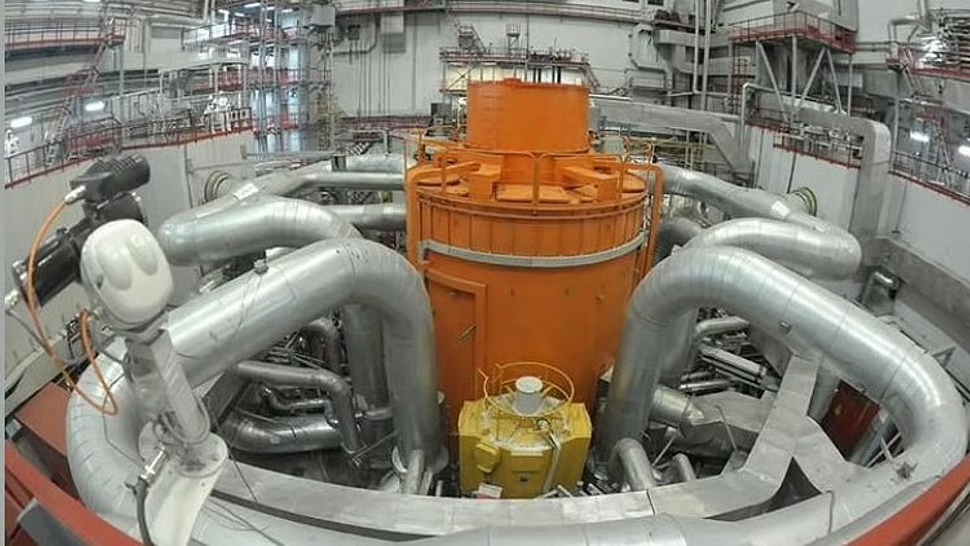
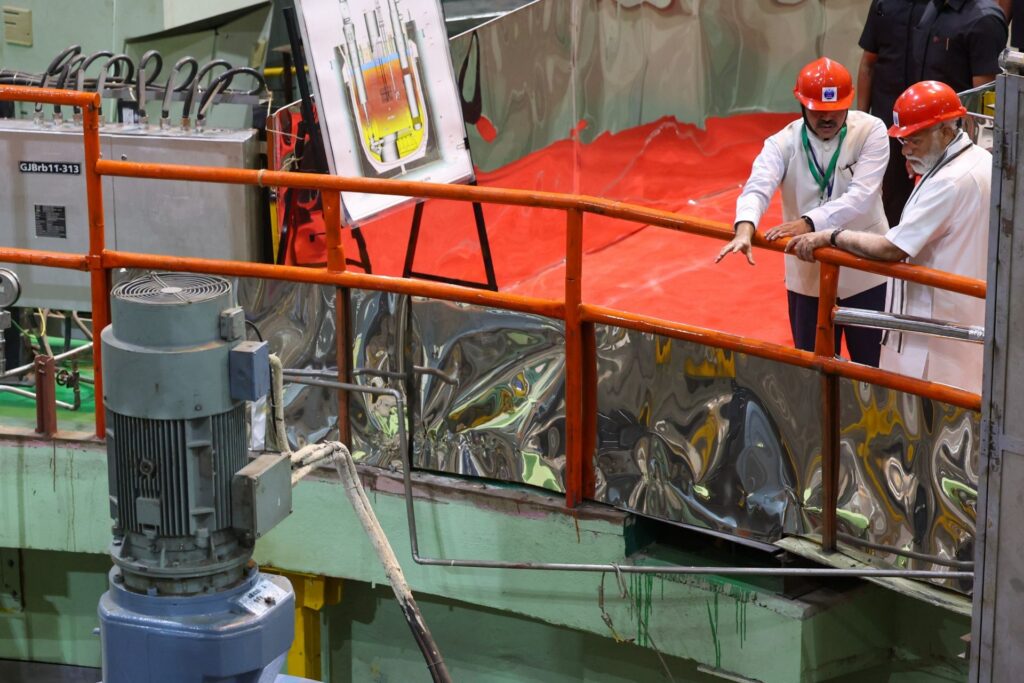
What makes the PFBR a true technological marvel is its inherent efficiency and the way it redefines the concept of fuel. Unlike conventional reactors that simply consume fuel to produce heat, a Fast Breeder Reactor produces more fissile material than it consumes. It utilizes a Mixed Oxide fuel composed of Uranium and Plutonium, surrounded by a “blanket” of Uranium-238. As the reactor operates, it transmutes this fertile blanket into fissile Plutonium-239, effectively “breeding” its own future energy supply. This closed fuel cycle is essential for a nation like India, which possesses limited uranium resources but holds the world’s largest reserves of thorium.
The success of the PFBR, built by BHAVINI, serves as the vital bridge to the third and final stage of India’s nuclear plan. By using thorium blankets in these breeder reactors, scientists will eventually produce Uranium-233, the key to unlocking thorium-based power on a massive scale. This breakthrough is a cornerstone of the Nuclear Energy Mission, providing the technological backbone needed for carbon-free, “always-on” base-load power. As the country targets a massive 100 GW of nuclear capacity by 2047, the Kalpakkam reactor stands as proof that India can meet its rising energy demands while maintaining its commitment to a net-zero future.
The achievement at Kalpakkam is further supported by a modernized legal framework and the development of Small Modular Reactors, which have opened doors for greater technological flexibility. As the world shifts toward a sustainable future, India’s success with the PFBR demonstrates a masterclass in indigenous engineering and strategic patience. By mastering the ability to close the nuclear fuel cycle, India has secured a path where energy is not just abundant and clean, but entirely self-reliant. The vision of a developed India in 2047 now has a powerful, nuclear-fueled engine driving its progress toward global leadership.