

Picture this for a moment: someone heading to their fridge, taking out a pack of blueberries, and plopping down on their sofa to relax after having a long day. This sounds like a pretty normal scenario, right? But those who bought their blueberries from Publix might want to read the rest of this.
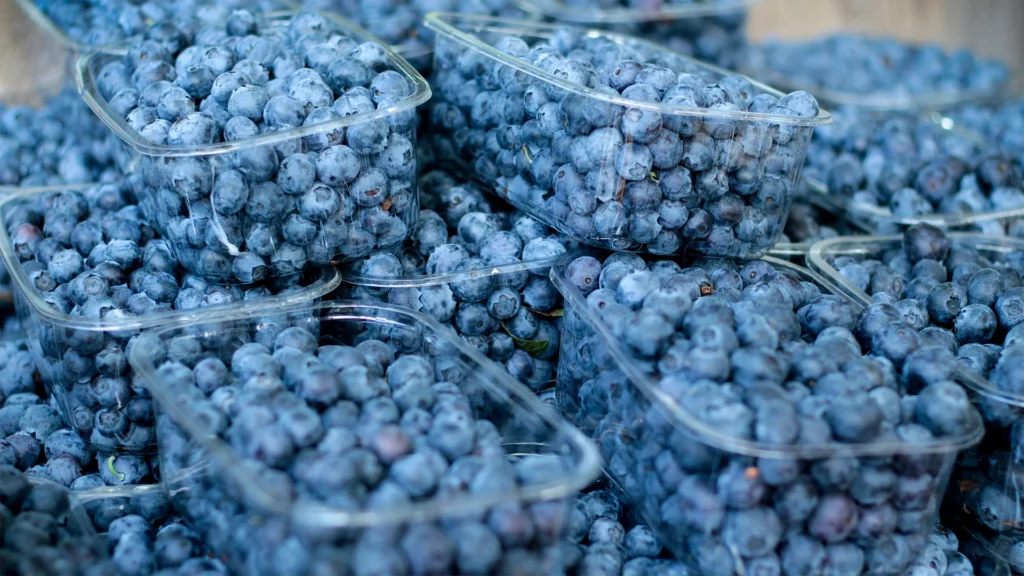
On July 29th, the Food and Drug Administration upgraded a recall of four varieties of frozen blueberries and mixed berries sold at Publix grocery stores across the U.S. to the highest health risk level, where there is a “reasonable probability that the use of or exposure to a violative product will cause serious adverse health consequences or death”.
Frozen Whole Blueberries and Frozen Mixed Berries shipped to Publix stores in Alabama, Florida, Georgia, Kentucky, North Carolina, South Carolina, Tennessee, and Virginia are all under recall due to the potential contamination by a harmful strain of E. coli, a type of bacteria.
More recently, the FDA upgraded the recall of 1.6 million cartons of eggs to the highest risk level, this time due to Salmonella, and sold in Kroger and Brookshire stores across the following states: Arkansas, Louisiana, Mississippi, New Mexico, Oklahoma, and Texas.
In these situations, some of the items were recalled before the FDA even released a statement about it. It’s important to keep in mind that when a few consolidated corporations control the majority of the food supply, a single breakdown can lead to a major health crisis. Unfortunately, having chemicals in our food has become the norm. We all know that large-scale farming comes with the use of pesticides and that the food supply would potentially be a lot more scarce if it wasn’t used. Consumer advocacy groups point out that the prevalence of synthetic pesticides and additives in modern farming practices requires a high level of regulatory vigilance. While pesticides are used to maximize and ensure high crop yields, it is highly paramount to maintain public trust. If not, a lack of transparency can lead to a gap in public knowledge regarding the substances present in everyday meals.
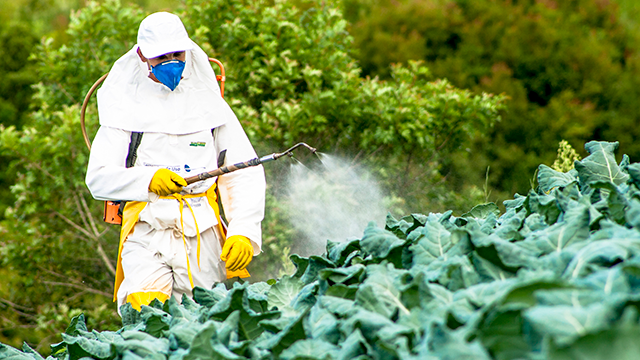
To stay safe, consumers must stay informed. Monitoring official FDA recall notices allows consumers to act quickly when a product in their home is identified as high-risk. Maybe opt for organic options to reduce exposure to synthetic pesticides, or follow general food safety practices such as thoroughly rinsing all fresh fruits and vegetables under running water.