

Earlier this month, the largest outbreak of the microscopic parasite Cyclospora started to spread in the United States. The existence of this parasite in the small intestine leads to Cyclosporiasis, a gastrointestinal illness marked by severe diarrhea, fatigue, and loss of appetite. According to the Centers for Disease Control and Prevention (CDC), the parasite spreads when “people eat food or drink water that is contaminated with human feces.” Although it can take a couple of weeks (if at all) for symptoms to appear, individuals living in tropical areas where Cyclospora thrives are more at risk.
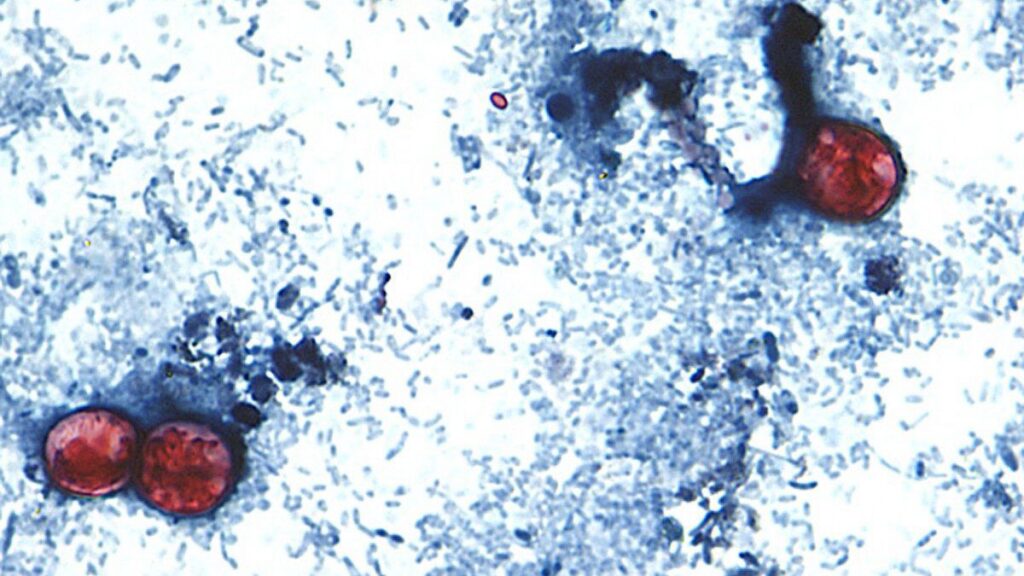
The reason for Cyclospora’s emergence in current events was due to an outbreak of Cyclosporiasis in 9 states in the US, linked to iceberg lettuce supplied by California-based Taylor Farms. This $7 billion, privately-owned enterprise recalled its product and removed it from consumers’ shelves. However, major downstream customers, including Taco Bell, have already sold contaminated products to buyers. According to Taylor Farms, they have “commissioned independent experts to conduct a top-to-bottom review of food safety processes and protocols in [their] central Mexico facility, where as of July 18, 2026, [they] have temporarily suspended production of all products.” Nevertheless, it is important to note that as of July 24, the “FDA has no confirmed positive test results for any Taylor Farms product. [Taylor Farms’] own testing, approximately 2,000 samples taken in central Mexico since May, has returned zero positive results.” The data is mostly epidemiological, in which scientists predict the source of an outbreak by tracing patterns and commonalities between those infected. This is a common avenue of research in similar situations, especially during the coronavirus pandemic.
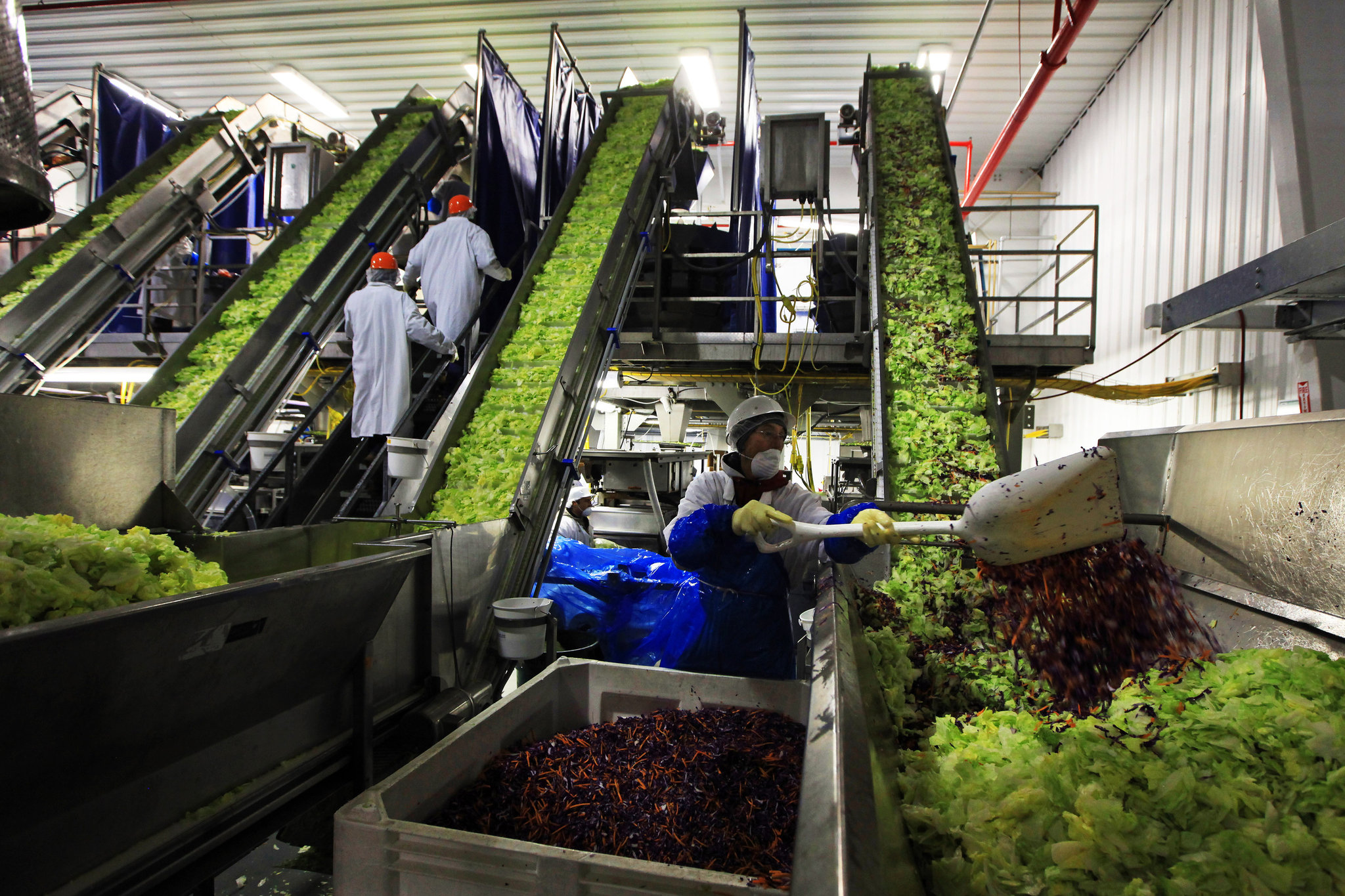
The condition can typically be treated with trimethoprim-sulfamethoxazole, and those with healthy immune systems may fight it even without the drugs. Cleveland Clinic cites that cyclosporiasis can be prevented by following thorough cleanliness guidelines, including washing fruits and vegetables, cleaning hands and cooking utensils, and cooking fruits and vegetables to a minimum of 158 degrees Fahrenheit.
Although for a significant amount of the population, this parasite is uncomfortable yet less lethal, immunocompromised individuals are at higher risk. Michigan woman Kellye O’Hara filed a complaint with a US District Court, suing Taylor Farms and a Taco Bell franchise after contracting Cyclosporiasis. O’Hara, a uterine cancer survivor as well as one facing “diabetes, coronary artery disease, sarcoidosis, arthritis, autoimmune disease, and severe anemia,” is severely immunocompromised. As a result, she was not able to take the typical prescribed medication to combat this parasite. The alternative was not available in her location, and her husband had to make a 7-hour round trip to retrieve medication for her after she was hospitalized. Even at the time of this case, she has not fully recovered. Michigan was the hardest hit state in the United States, with an approximate 1 in 1,000 individuals having contracted this parasite. The case alleges producers must be liable for their negligence in distributing unsafe products.
While Taylor Farms, in conjunction with the FDA and CDC, has recalled its products, the incubation period for the parasite to mature and become infectious could lead to several more cases being reported in the following weeks.