

In a significant escalation of executive action on U.S. border and immigration enforcement, the federal government is preparing a proposal to revoke non-immigrant visitor visas held by approximately 200,000 foreign nationals who have applied for or are currently pursuing asylum within the United States. Internal State Department documents and reports from the Associated Press reveal that this initiative—primarily targeting B1 (business) and B2 (tourism) temporary visas issued between 2016 and 2026—would mark the largest single mass visa revocation in U.S. history if fully executed
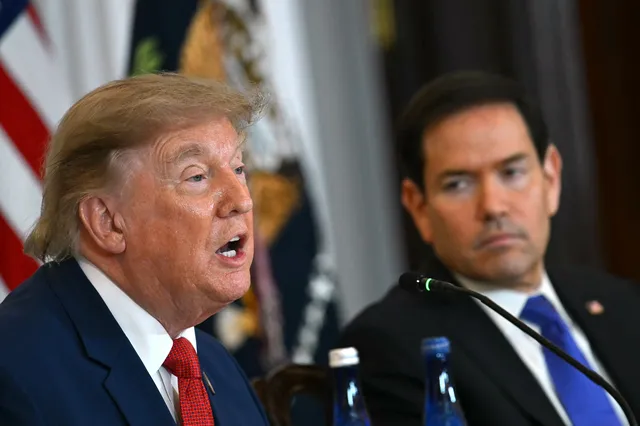
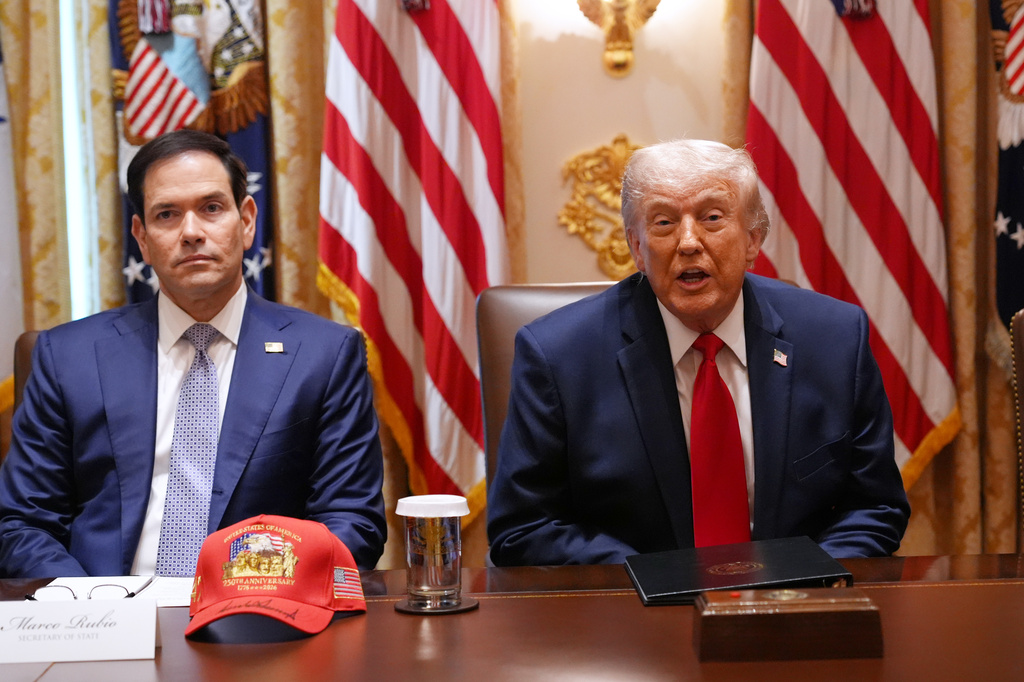
State Department spokesman Tommy Pigott tells the Associated Press that “[The State Department] is coordinating with DHS to identify and revoke non-immigrant visas of foreigners who have come to the United States claiming to be short-term visitors, but then file for asylum to stay here permanently.”
Pigott declined to quantify the potentially revoked visas, assuring that the revocations will operate on a rolling (first-come, first-served) basis. Furthermore, a revocation does not necessarily entail immediate deportation. Instead, most foreign nationals with pending asylum cases would be “recategorized” but could lose their status as business or tourism incomers.
The revocation fiasco is part of a broader strategy of the Trump administration: to crack down on illegal immigration. The central argument posited by the White House and GOP is that mass recategorization prevents alleged “Visa Fraud.” It is argued that using a non-immigrant travel visa to seek permanent residency via asylum is bad-faith circumvention of the system. The administration views B-1 and B-2 visas as privileges, not rights, that require an explicit promise to not seek asylum. This move scales up the infrastructure of “continuous vetting.” Back in August, the State Department noted it had already revoked 175,000 visas over the last 18 months for various violations, and is currently reviewing 55 million valid U.S. visas for potential revocations.
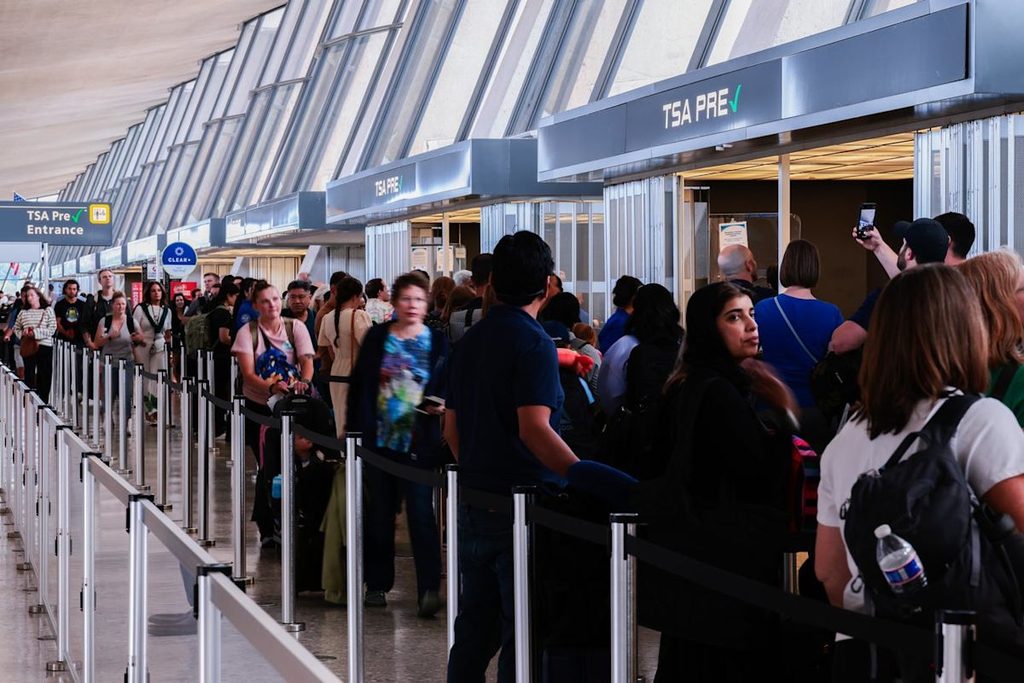
Immigration attorneys, humanitarian advocates, and legal experts point to several deep complications and humanitarian risks associated with this policy.
Under the Immigration and Nationality Act’s Section 208, a person must be physically present in the U.S. (or at a port of entry) to apply for asylum. For many fleeing sudden political, religious, or physical persecution, acquiring a B-1/B-2 tourist visa is the only legal, safe way to reach U.S. soil to make that claim. Critics argue this policy punishes individuals for using the only available legal pathway to escape danger.
Consider an asylum seeker from a country experiencing a sudden political crackdown or war (such as a political dissident from Venezuela, a member of a religious minority in China, or someone fleeing cartel threats in Central America). They hold a valid 10-year B-1/B-2 visa obtained years ago for travel. When a sudden threat to their life emerges at home, they board a flight to the U.S. using that valid visa.
By revoking their visa and labeling it “fraud” post-arrival, the policy penalizes them for using a pre-existing legal document to save their life.