
For decades, celebrity status largely depended on traditional entertainment industries. Movie studios, record labels, sports leagues and television networks controlled who and what gained influence, whether that be through screens or magazine covers. In 2026, that system still exists, but a new player has managed to shatter the monopoly that big entertainment coalitions once held over consumers.
One could say that a new bombshell has entered the villa.
The creator economy is a growing network of people who earn money by producing online content and building communities surrounding it. Creators generate income through advertising revenue, brand deals, subscriptions, merchandise, live events, product lines, and much, much more.
According to Goldman Sachs Research, the creator economy’s total addressable market was estimated at about $250 billion in 2023 and could reach $480 billion by 2027. Sachs also estimated that there were approximately 50 million creators globally, though only about 4% qualified as professionals earning more than $100,000 per year.
These numbers suggest the creator economy’s expanded role from a hobby space to a legitimate, profitable sector of the entertainment industry. Still, the rise of influencers and creators does not point to the complete disappearance of traditional celebrity culture.
What has changed is that fame is no longer confined to people who first become successful through Hollywood, professional sports, or the music industry. Increasingly, social media itself is producing public figures with their own audiences, brands, and cultural influence.
Beating Celebrities at Their Own Game
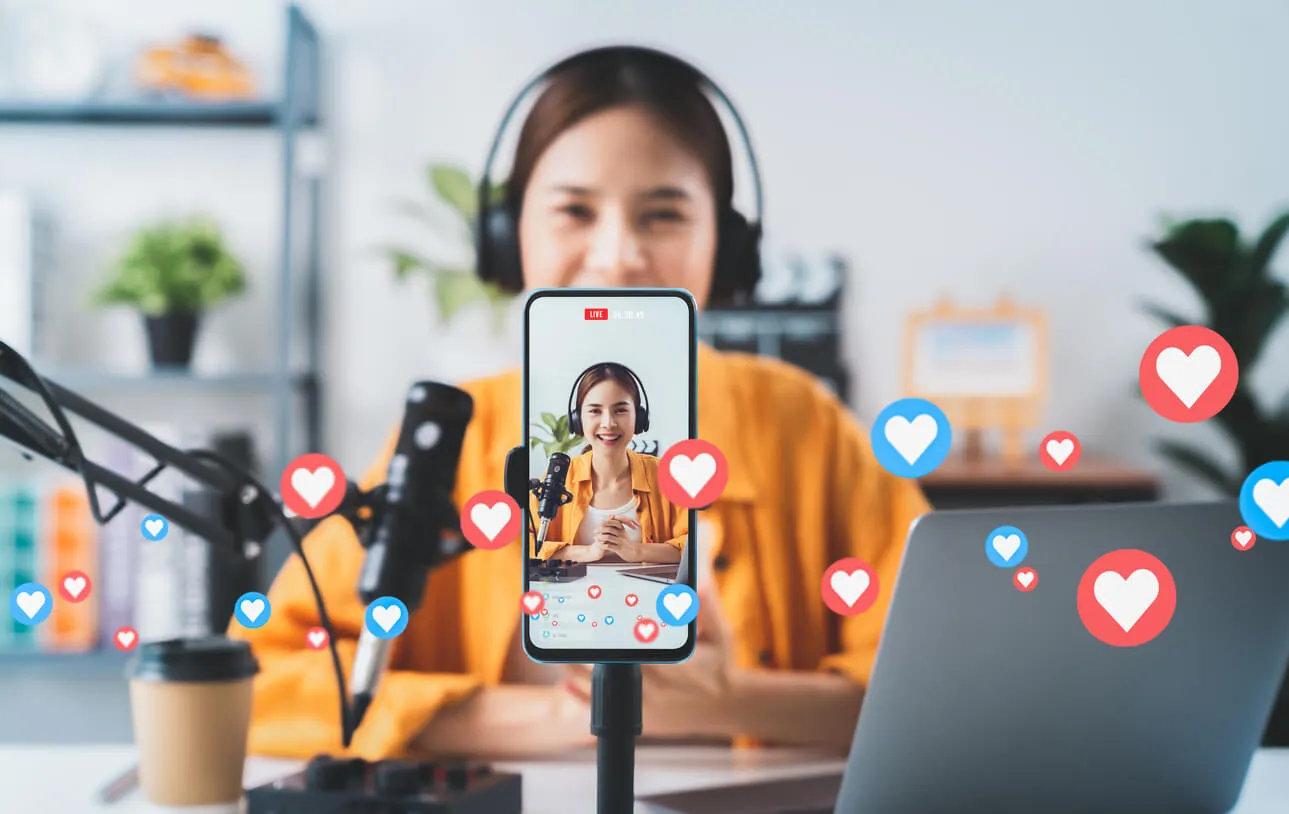
Traditional celebrities often feel distant from their audiences, appearing through interviews, performances, or carefully secured publicity. Influencers/creators, by contrast, center their brands around familiarity. They speak directly to their iphone cameras, share “real” morning routines, respond to comments (positive or negative), and create a feeling of a closer relationship with their consumers.
Though this form of content and communication is often parodied and ridiculed by social media users (after all, the facade of social media personalities and perfection almost never lasts or resonates with the general public), micro-influencers prove especially effective at fostering meaningful online relationships.
Micro-influencers, who typically retain between 10,000 to 100,000 followers, create a strong sense of community through smaller audiences. Brands have taken note of the power of small, cult-like followings abundant throughout the TikTok and Instagram landscape. Pair this with the accessibility of social media, and you have millions of micro-influencers, who then multiply their accounts to enter different niches.
Entrepreneur claims that this is exactly why the formerly shamed influencer industry is gaining more traction than Hollywood would be comfortable with: smaller, closer relationships lead to greater engagement between the creator and their followers. Therefore, if a creator promotes a certain product, consumers (a.k.a. viewers) are more likely to trust and partake in the product.
Parasocial? Well, yes. That’s the point.
Celebrity parasocialism has long fallen from grace. With the failure of the current administration’s economic and social promises, the idea of the American Dream no longer exists for most. In times of economic hardship, war, genocide, social injustice, and more, celebrity culture not only stands as a reminder of the average person’s dreary circumstances, but as an offense to it.
The most prominent recent example could be the “Digitine”, which Medium regular Ashley L. Crouch defines as “the digital guillotine.” In 2024, during the height of the genocide in Gaza and new Trump-era fears, digital citizens (netizens) rushed in throes to “cancel” (publicly shun, banish, or repudiate, typically on social media) anyone in attendance of events such as the MET Gala. This mass-cancellation of both high-profile celebrities and digital creators demonstrates why micro-influencers might be luckier than they realize.
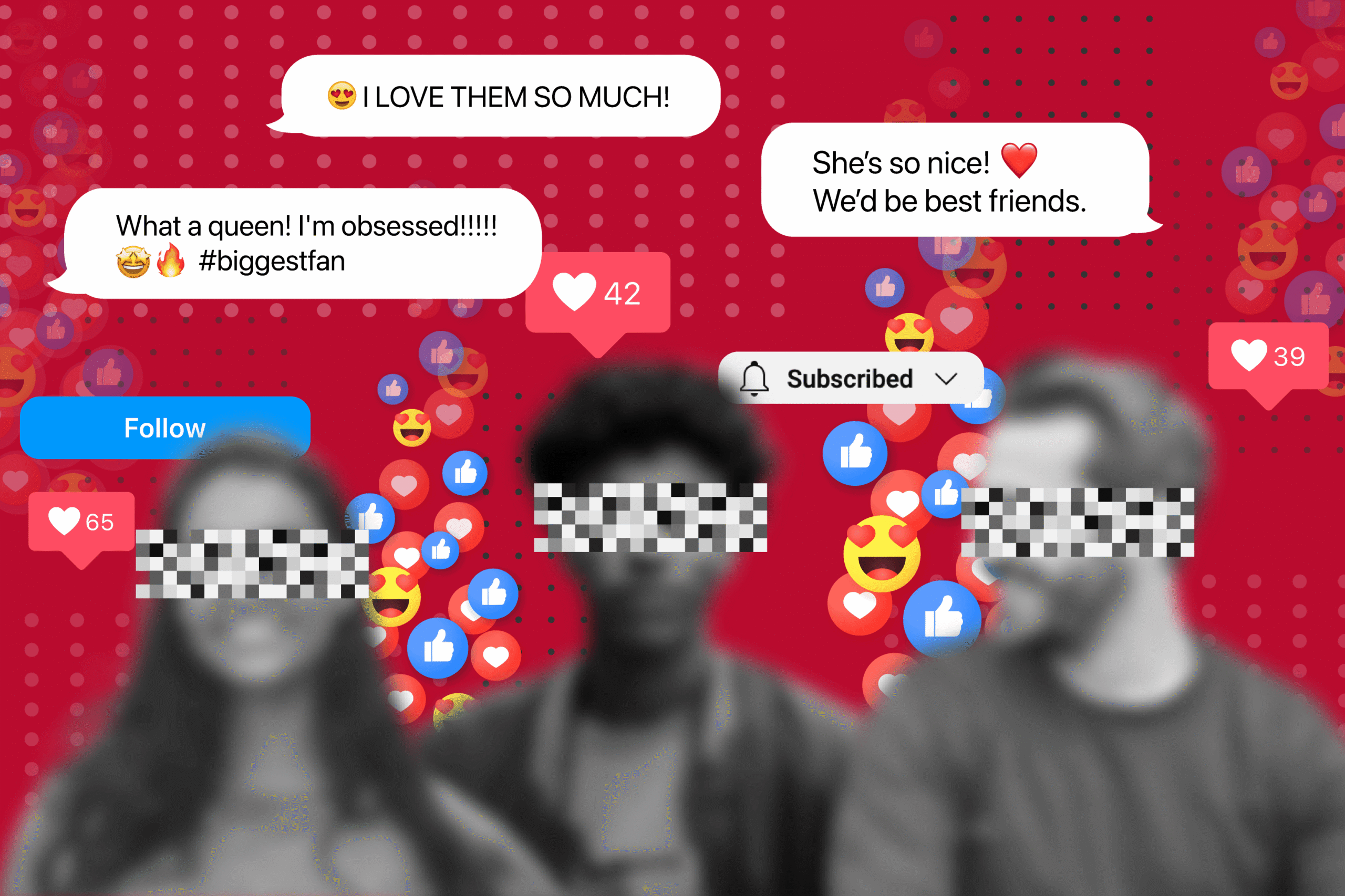
With the rise of social mechanisms such as the Digitine, it appears that larger social creators may just fall into the same awkward limbo as traditional celebrities are currently forced to navigate.