

The earliest cancer record is estimated to be over 1.7 million years old. The malignant tumor, reported by Dr. Edward John in 2016 during his studies in South Africa, serves as the oldest record (Wikipedia contributors, 2026). The Egyptians used a practice called cauterization which involves burning a part of the body to remove ‘an undesired growth’ making them the first account to have mentioned cancer in 1600BC. The famous philosopher Hippocrates made several observations on outwardly visible tumors on the skin, since it was against Greek customs to make incisions. Celsus, a Roman encyclopedist known for his vast medical research, translated the word carcinos to cancer. Galen, a Greek physician, later described the cancerous tumors as body swellings. Galen adopted Hippocrates’ term carcinos (but to describe malignant tumors). It is also from Galen’s usage that we find the modern term oncology (a branch of medicine dedicated to the diagnosis, prevention, and treatment of cancer).
A better understanding of cancer came later in the 19th century with inventions of various medical tools. A great catalyst of its discovery was the microscope and the finding of cell theory, as at this time it had become more acceptable for doctors to make incisions mainly for autopsy. Campbell De Morgan first formulated the disease and later found that surgery was not the best practice against the disease right before asepsis was improved. Marie and Pierre Curie discovered radiation and noted it as the first non-invasive cancer treatment. This was a call to action since this period encouraged early diagnosis of cancer to enable effective treatment. Surgery, x-ray and radium were encouraged as the safest ways to fight against cancer.

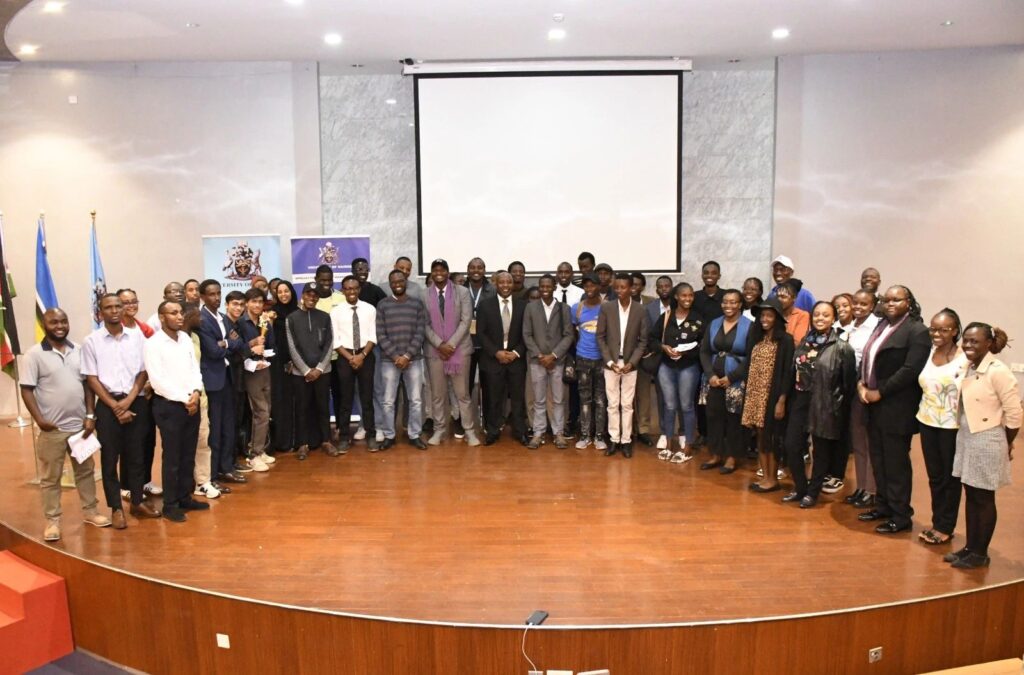
Abdulahi and Bilal Mohammed set out to battle late stage breast cancer diagnosis by founding Mammary Protect. The invention in itself is an AI-enabled diagnostic device designed to be mobile, affordable, and free of delay for diagnosis due to fast response by their AI. This initiative came after the unfateful passing of their aunt who, after a late diagnosis of breast cancer, succumbed even after being rushed to India for treatment. Their tool is under medical review, and the team anticipates their first clinical trials to happen soon. They are currently talking with the Kenyatta University Teaching and Training Research Hospital (KUTTRH) in Nairobi, Kenya where the trial is expected to take place.
What Mammary Protect offers is inclusivity when it comes to wealth status. Their tool, in another talk, was estimated to be priced at around 8,000 KSH, but they are yet to finalize the price with their financial advisor. Featured at different events, their initiative is perceived as hope for the common mwananchi (Swahili for ‘common citizen’) as inflation even in healthcare takes a toll on taxpayer pockets. The device, fitted with thermal imaging sensors, will be placed inside bras and keeps a daily record of temperature changes to detect anomalies. The theory is that early-stage tumors cause increased blood flow to the affected region, causing slight increase in temperature. Such detections, which often go unnoticed, are what makes this device a game changer in fighting against breast cancer.
The future is all about making life better while safeguarding employment. This device creates a lot of job opportunities in what techies call IoT in Healthcare. The device, even at its stipulated price, is actually costly and that is where investors and governments chip in. Such inventions always seem unnecessary until one of your own is affected. Breast cancer is often associated with women, but even men suffer from it, so it is a fight for us all (Mayo Clinic, 2024). Change starts by creating awareness on cancer, developing innovative devices like Mammary Protect, and funding research to find a cure.