

Innovations have shaped humanity as we know it. They are what define trends in every industry, from healthcare and communication to energy and entertainment. The most spectacular of them often fall into two striking categories: those deliberately engineered from known concepts and those that emerged accidentally through chance discovery. Both paths have proven equally transformative, reminding us that human progress is fueled by a balance of planning, curiosity, and, sometimes, sheer luck.
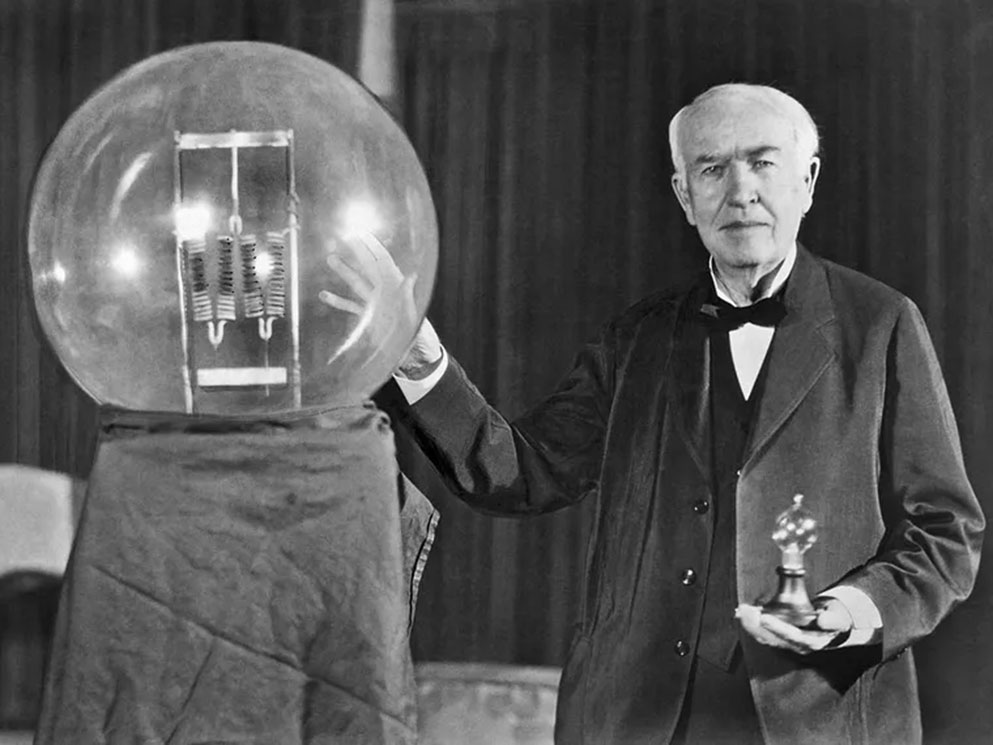
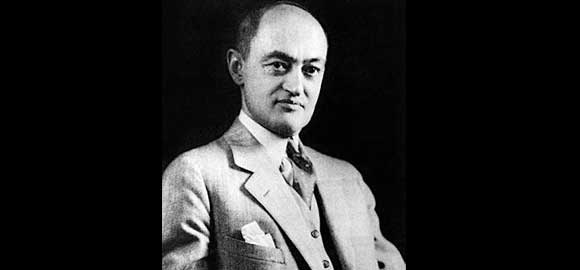
Two figures who are widely considered fathers of innovation are Thomas Edison and Joseph Schumpeter. Edison, remembered as one of the greatest inventors in history, focused heavily on the practical application of science. His creation of the first industrial research laboratory revolutionized how inventions were systematically developed. Schumpeter, on the other hand, provided the theoretical backbone. He famously clarified the distinction between invention and innovation: invention is the act of creating something new, while innovation is about successfully introducing that creation into the market. Such seemingly simple yet profound insights established Schumpeter as a thought leader in the economics of progress and helped
cement Edison and Schumpeter in the spotlight of history.
Human life is full of mistakes. Some are fatal, others carry unexpected blessings. This paradox has been central to innovation throughout history. Many of the great breakthroughs were discovered by accident—instances where experiments went “wrong,” yet revealed new truths that could change industries. In the early days, inventors often doubled as innovators, meaning they not only created something new but also figured out how to commercialize it. Today, however, roles are far more specialized. Engineers may be the inventors of groundbreaking technology, while innovation in the modern sense—bringing that technology to the market—is usually driven by marketing and sales experts.
The 20th century especially witnessed this division of labor. Large corporations increasingly separated the roles: scientists and engineers focused on invention, while businesses invested in marketing departments to handle innovation. This division allowed inventions to scale globally, but it also meant inventors were no longer directly tied to the success of their creations in the
marketplace.However, the rise of startups in the 21st century has begun to blur these lines again. Startup founders are often both inventors and innovators: they build the product, identify its market fit, and pitch it to investors. A startup team embodies the old-school model where the same people who invent also innovate. In many ways, this revival of the “whole team approach” mirrors Edison’s industrial lab—but instead of a room full of engineers in New Jersey, today’s lab may be a shared co-working space or a home garage with internet access. Some innovations could never have been left to chance. They were engineered from study concepts, theory, and rigorous experimentation:
The Internet (ARPANET → TCP/IP)
Born out of Cold War research, the internet was built on academic and military studies of packet-switching and distributed communication. Its protocols, layers, and global architecture were meticulously planned. If one were to claim the internet had been stumbled upon by accident in a lab mishap, the idea would sound absurd—it required vision, structure, and deliberate collaboration across nations and disciplines.
The Atomic Bomb (Manhattan Project)
The atomic bomb was the direct result of theoretical physics applied with frightening precision. Harnessing Einstein’s equation, nuclear fission theory, and after years of refinement, scientists engineered one of the most destructive innovations in history. To imagine that such a weapon could have been discovered accidentally—say, by uranium rods tipping over—is both terrifying and implausible.
CRISPR Gene Editing
CRISPR was developed from careful microbiology research into bacterial immune systems. Scientists transformed this natural mechanism into a precision tool for editing DNA. The idea that such a powerful system for rewriting the code of life could have been stumbled upon accidentally is mind-bending; it required methodical insight and application of biological theory. On the other hand, some of humanity’s most life-changing innovations were born from accidents, not meticulous planning:
Penicillin (Alexander Fleming, 1928)
Fleming’s forgotten Petri dish revealed mold that killed bacteria. This chance encounter gave rise to antibiotics, saving countless lives. If penicillin had been engineered deliberately from scratch, the achievement would seem almost too perfectly orchestrated.

X-rays (Wilhelm Röntgen, 1895)
While experimenting with cathode rays, Röntgen noticed a screen glowing in the dark. His curiosity led to the discovery of X-rays, revolutionizing medicine. Had someone claimed imaging bones was the result of decades of planned optical studies, it would seem far more believable than the truth—that it came from a mysterious glow on the wall.
Microwave Oven (Percy Spencer, 1945)
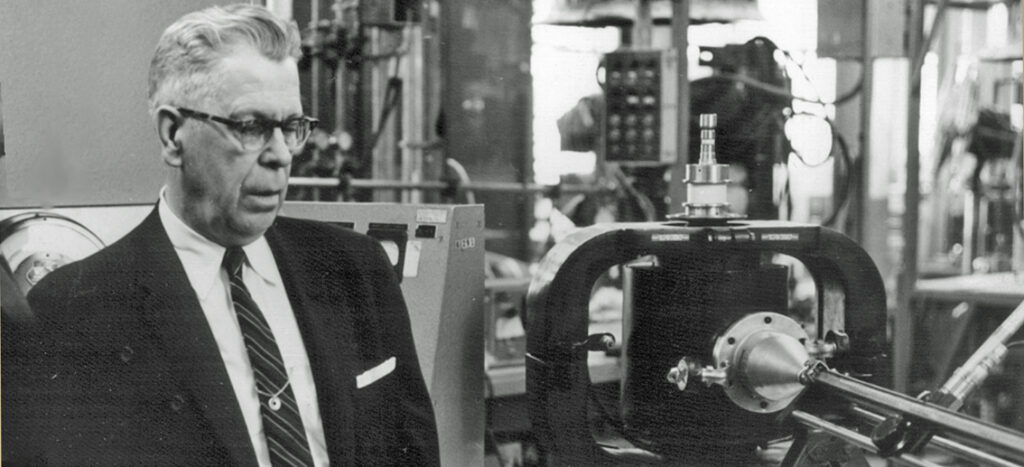
A radar engineer noticed that a chocolate bar in his pocket melted when he stood near a magnetron. This observation birthed the microwave oven. If microwaves for cooking had been engineered deliberately after theoretical studies of food and radiation, the story would sound neat and planned, not serendipitous.
The history of innovations is a tapestry woven from both deliberate genius and unexpected serendipity. From Edison’s practical laboratories to Schumpeter’s economic theories, from carefully calculated projects like the internet and the atomic bomb to accidents that gave us penicillin and microwaves, innovations continue to define the trajectory of human society. Today, the startup culture reintroduces a blend of invention and innovation, echoing the past but shaped by new tools and markets. Whether carefully designed or stumbled upon, innovations remind us that progress can emerge from both order and chaos—and that the future will likely hold more of both.
What makes these stories fascinating is how implausible they sound if swapped. Imagine antibiotics being engineered through decades of planned biochemistry, or CRISPR being stumbled upon through a lab accident. Imagine the atomic bomb being discovered by mistake, or microwave ovens arising from deliberate food science. Each category of innovation—engineered or accidental—has its own internal logic, and seeing them reversed is both flabbergasting and illuminating.